
WHAT TO PLANT
Annuals/Perennials/Wildflowers: Good performers in south Florida’s mild winter include impatiens, verbena, coleus, and dianthus. See
Annuals: https://edis.ifas.ufl.edu/topics/annuals
Perennials: https://edis.ifas.ufl.edu/topics/perennials
Florida Wildflower Foundation: https://www.flawildflowers.org/
Groundcovers: Consider replacing areas of grass with drought-tolerant, low-maintenance groundcovers. See
The Florida-Friendly Landscaping™ Guide to Plant Selection and Landscape Design: https://ffl.ifas.ufl.edu/media/fflifasufledu/docs/FFL-Plant-Guide_v030624_web.pdf
Groundcovers: https://edis.ifas.ufl.edu/topics/ground_covers
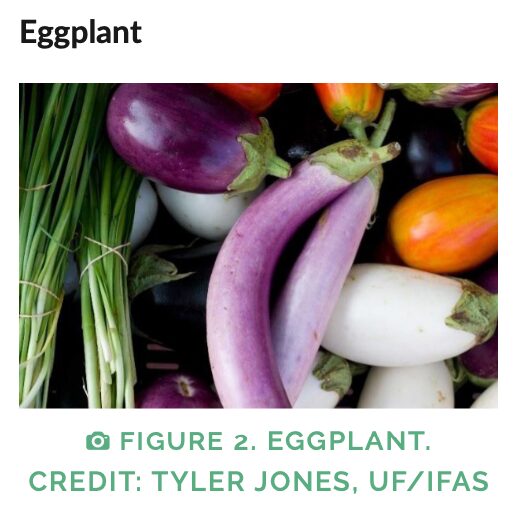
Vegetables: Winter vegetable gardening is in full swing. Last month to plant cantaloupes, cucumbers, eggplant, lettuce, peppers, spinach, and tomatoes for a late spring harvest. Protect crops in the unlikely event of frost or freeze. See
Vegetable Gardening in Florida: https://edis.ifas.ufl.edu/topics/vegetable_gardening
WHAT TO DO
Lawns: If local ordinances allow, fertilize lawn grasses to improve color or coverage. Choose a fertilizer (not a “weed and feed”) with 0% or very little phosphorus unless a soil test indicates the need for it. A fertilizer with controlled-release nitrogen provides longer-lasting results. See
Lawn & Garden Care: Fertilization: https://edis.ifas.ufl.edu/topics/lawn-garden-fertilization
Florida-Friendly Landscaping™ Program Fertilizer Ordinances App: https://ffl.ifas.ufl.edu/resources/apps/fertilizer-ordinances/
Shrubs and palms: Fertilize shrubs and palms by spreading fertilizer evenly over the soil surface and watering it in. Follow with a fresh layer of mulch to conserve moisture and reduce weeds. Delay pruning any cold-damaged branches until new growth starts. See
Palm Care: https://edis.ifas.ufl.edu/topics/palm-care
Pests: Begin a regular scouting routine to detect warm-season landscape pests like whiteflies, lubber grasshoppers, and Tuttle mealybugs on Zoysia lawns. This allows for early intervention and the use of Integrated Pest Management (IPM) techniques. See
UF/IFAS Gardening Solutions: Integrated Pest Management (IPM): https://gardeningsolutions.ifas.ufl.edu/care/pests-and-diseases/pests/management/integrated-pest-management/
Eastern Lubber Grasshopper: https://edis.ifas.ufl.edu/publication/IN132
Avocados and mangoes: Disease-susceptible varieties of avocado and mango may require applications of copper fungicide. See
Avocado: https://edis.ifas.ufl.edu/topics/avocado
Mango: https://edis.ifas.ufl.edu/topics/mango
Citrus: Fertilize now if not done in January. The frequency and amount of fertilization depend on the age of the tree. See
Home Citrus Culture: https://edis.ifas.ufl.edu/topics/home_citrus_culture
Trees: Don’t wait until hurricane season to check your trees.
Hire an ISA-certified arborist to do an inspection. See
International Society of Arboriculture: https://www.isa-arbor.com/For-the-Public
Lawn and Garden Care: Pruning: https://edis.ifas.ufl.edu/topics/lawn-and-garden-care-pruning